
 Twenty years ago, I had a brainstem stroke when I was 24. I went from being an occupational therapist who supported others in their recovery to someone who couldn’t blink, smile or speak.
Neuropathic pain arrived, fatigue settled in and my body no longer followed simple instructions. And alongside the physical changes came the emotional weight that stroke so often carries.
I write in my book:
Once I knew I could leave rehabilitation, all I could think about was returning to my old life. But it wasn’t that simple. Far from simple…..”
Reinventing Emma, page 52
If you had told me back then that I would still be doing structured rehab twenty years later, I would have laughed. If you had told me I would still need support with everyday tasks, still use a walking frame, still be unable to run, I would continue to laugh.
But really, I couldn’t have laughed as I couldn’t move my face at all. And yet, here I am.
This footage is of me doing my bi-weekly rehabilitation isn’t glamorous or dramatic. It’s repetitive, intentional and necessary. It is something I prioritise, not because I am trying to get back to who I was but because it allows me to live well as I am.
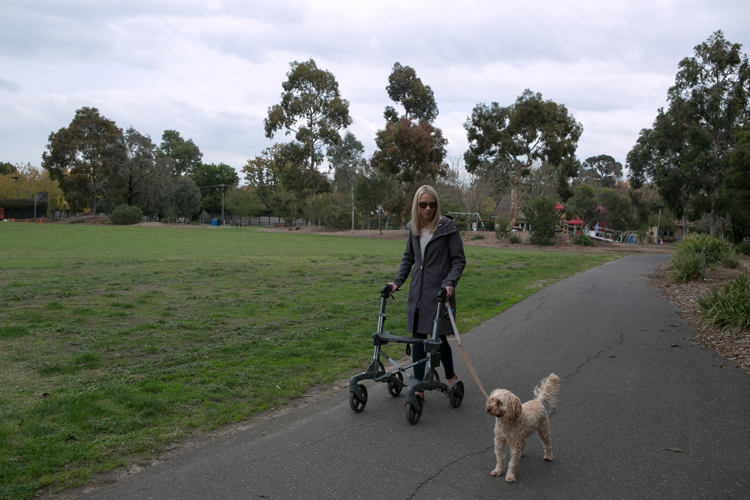 Rehab for me is not just about strength or mobility. It is about managing pain, maintaining independence and protecting my emotional wellbeing.
Over the years, I’ve learned that rehabilitation isn’t a phase but a relationship. It has become a long-term commitment to working with my body rather than fighting against it.
People often ask me how I’ve sustained this for two decades. The truth is, it hasn’t been one grand strategy. It has been a combination of small, consistent decisions grounded in three core principles.
1. Support and education
There is an African proverb I often share:
If you want to go fast, go alone. If you want to go far, go together.
Stroke recovery is not a solo sport. We need skilled clinicians, honest conversations and people who understand the neurological, physical and emotional components of what we are navigating. Education empowers choice and support s
ustains momentum.
2. Meaningful acceptance and adaptation
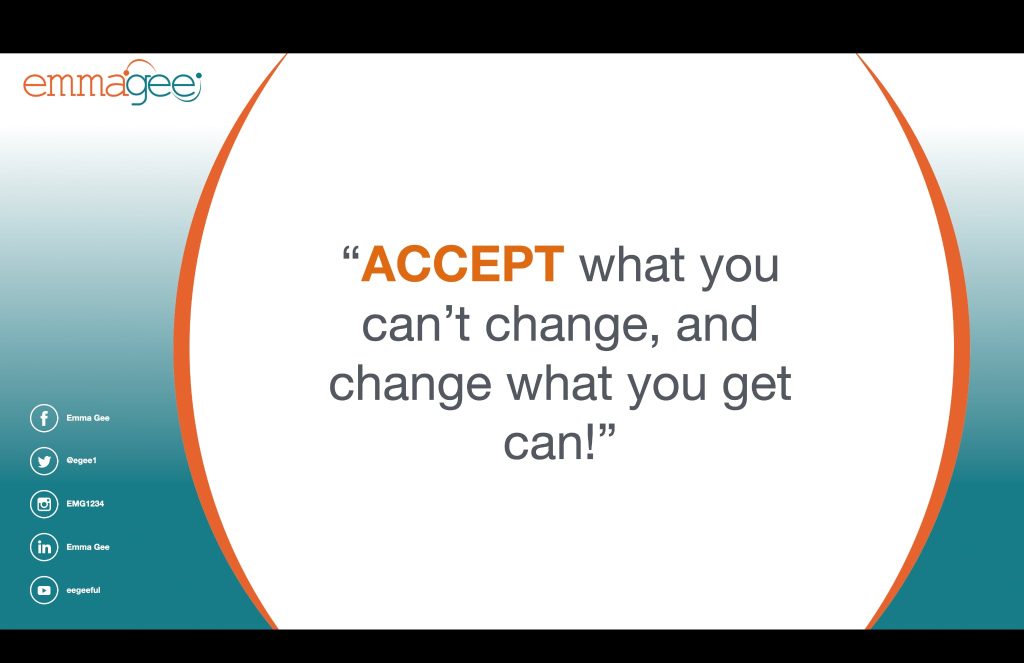 Acceptance is not giving up. It is acknowledging reality so you can respond to it effectively.
Over time, my needs have changed. My rehab today looks very different to what it did in the early days. Adapting does not mean lowering expectations, it means adjusting the strategy so you can keep moving forward.
3. A mindset grounded in hope
It is not about toxic positivity or pretending things aren’t hard. But choosing, repeatedly, to look for possibility.
“It’s not what happens to you that matters, it’s how you choose to deal with it.”
That belief has shaped my recovery. I’ve seen my hope create action and that action create progress, which then creates resilience. Twenty years on, I still use a walking frame and manage pain and fatigue. I still have speech, mobility and visual challenges. Along with that, I have also built a life, a business and my voice. I now live in a way that integrations both the therapist and the patient within me.
Rehabilitation is not about returning to who you were, it is about discovering who you can become.
How are you able to create programs that supports someone in their own unique growth? Is there something that worked for one person and not another?