
It’s hard to believe it’s been 20 years since my stroke. Two whole decades of adapting, learning, and doing my best to live with the challenges it left behind. Over that time, I’ve focused on so many different areas: movement, independence, managing fatigue, and generally trying to make the most of the abilities I have.
But one thing I never really focused on was my speech.
My speech was definitely affected, but when you have so many other things to manage, you can only focus on so much at once. And, for a long time, Botox injections helped keep my facial facial palsy under control. That meant my swallowing, facial movements, and speech were manageable.
I write in my book about the little speech therapy I did in hospital as part of my recovery:
Speech therapy was held in a tiny shoebox of a room. It overlooked Talbot’s central garden courtyard but my view was of my eye-patched self. My wheelchair would be positioned by Nancy, my therapist, in front of a large mirror so I could track my facial movements. In the early stages, though, there
were no movements to track. I had to relearn how to move my frozen lopsided face and wake the muscles involved. I had no sense of where anything was – my tongue, my eyes, my mouth. Communication consisted of trying to move my face in a meaningful way and emitting muffled sounds. The voice that did escape at that stage was monotonous and incomprehensible, and came out startlingly loud or invisibly soft. I sounded like a robot with its volume dial out of control.Reinventing Emma, page 123
Lately, I’ve noticed things changing. My Botox treatment hasn’t been working as effectively as it used to. My face feels tighter and heavier, and I can feel the difference when I speak. My words don’t come out as clearly, my expressions take more effort, and even smiling can feel like work sometimes.
It’s made me realise how much energy it actually takes to communicate and how much I miss feeling comfortable and confident when I talk. My parent’s both ageing and having difficulty hearing me was another catalyst! The emotional toll is also hard, it’s an ongoing frustration!
So, after 20 years, I’ve decided it’s time to try Speech Therapy and my first session happened over Zoom.
Yep, I was being remotely assessed by my therapist. I was asked to gather different foods and drinks at my desk for the session and I was exhausted before it even began. She watched me munch through different foods and swallow all sorts of textures.
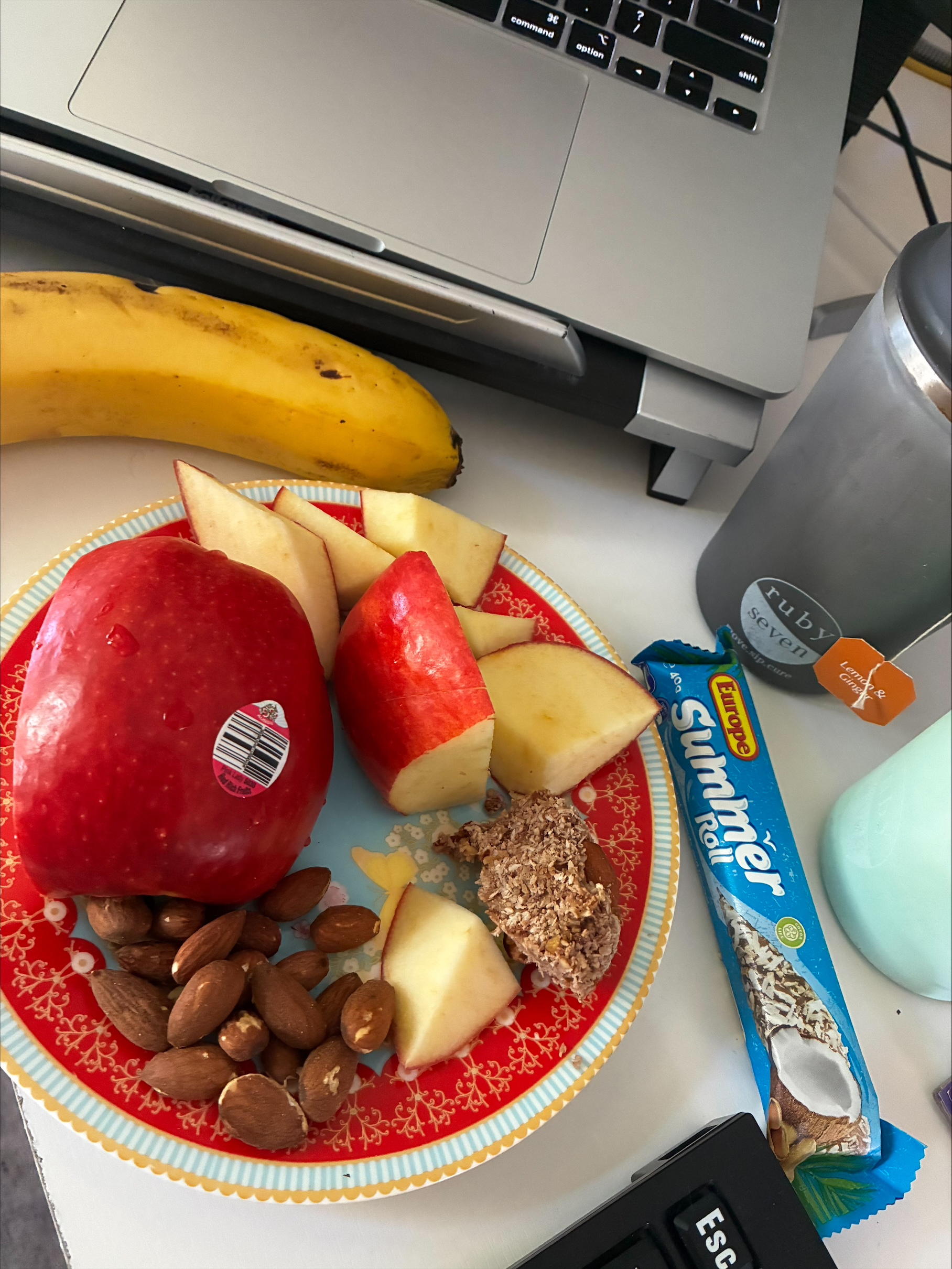
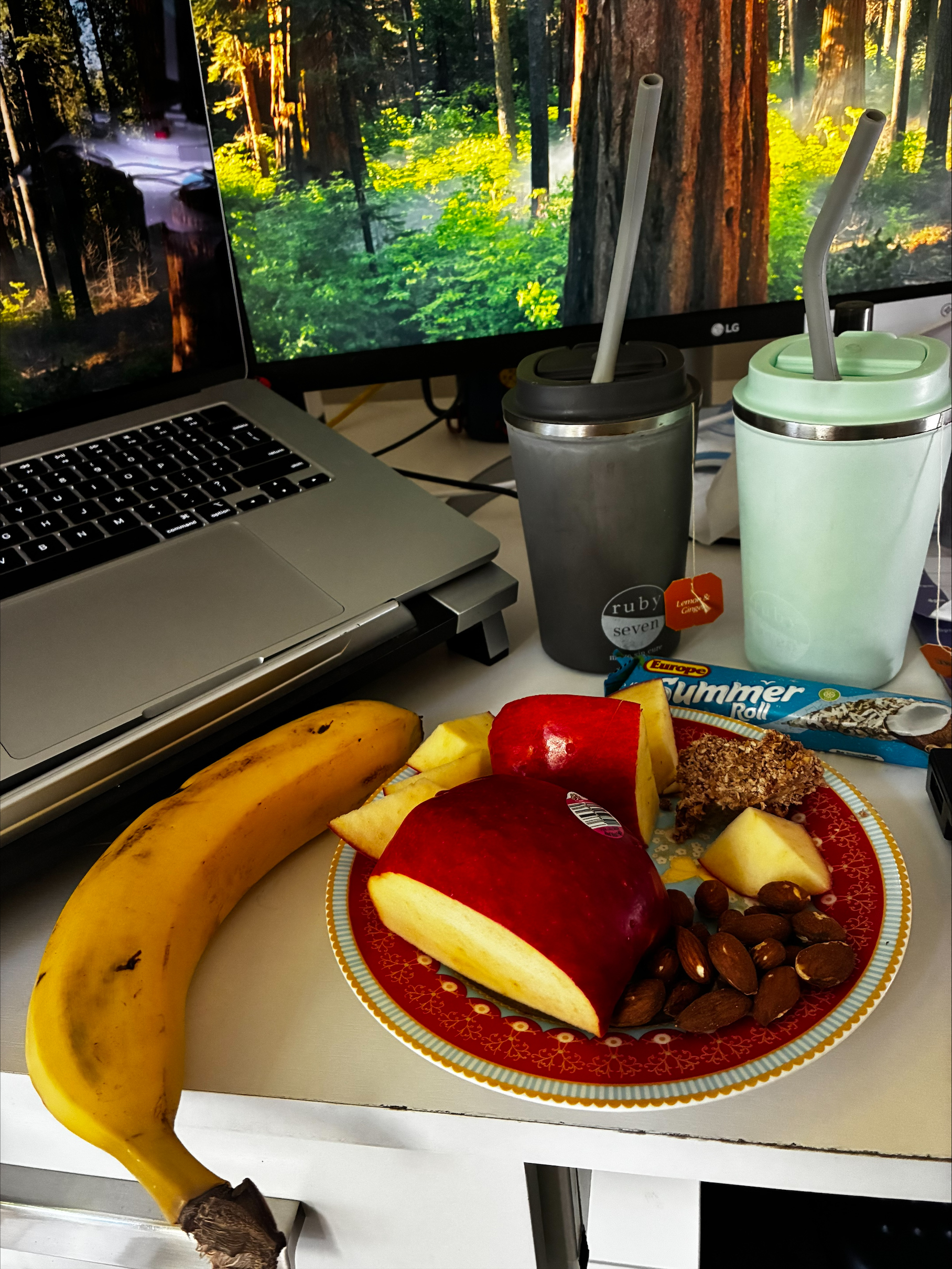
It feels a bit strange to be doing this now, after so long. But at the same time, it also feels right. I’ve spent years working on my physical recovery, my independence, and my health so why not give my voice and expression the same attention?
Speech Therapy isn’t just about pronunciation or exercises; it’s about connection. It’s about finding easier and more natural ways to communicate with others and to express myself. I want to be understood and to feel confident in how I come across. I know it won’t be easy, and progress might be slow, but I’m prepared for that. My other therapies have taught me that progress is sometimes very slow.
Starting again after so many years feels a bit like opening a door I’d closed a long time ago. But instead of feeling anxious, I feel hopeful. I want to give myself the best chance to keep communicating well in the years ahead.
So here I am, twenty years on, ready to find my voice again.