
At this stage of my recovery, I’m cautious about new providers.

That’s one way of saying that I’ve been around the block. I’ve been poked, prodded, assessed, promised, hoped, invested time, money and energy into lots of therapies that didn’t do much at all.
So when I recently went to see a new myotherapist that came highly recommended, I arrived with equal parts curiosity and skepticism.
There I was, standing in my underwear while she sketched my pain areas on a board. It looked like a child’s drawing of the human body, except this one was covered in circles and arrows. Then she examined everything; every blemish and mole. Things I stopped noticing myself years ago because I’ve got more important issues to focus on.
She then, of all things, asked about my left big toe. This toe doesn’t register for me as a top priority and I’ve not felt much in that foot since my stroke. Perhaps I rolled over it with my wheelchair or walker. But I know it’s not broken.
She looked at me and said, “No, not now. Before stroke.” I had no idea what she meant. I even asked my parents later and they couldn’t remember either.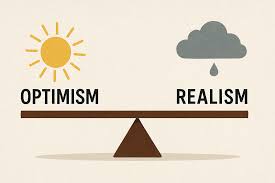
I left that appointment feeling exposed both physically and emotionally. It’s confronting when someone highlights “issues” you didn’t even know were issues. I felt like my mental list of what’s wrong just grew longer.
But even after this feeling of hopelessness, I went back for another appointment. That’s because I don’t believe in magical cures anymore, but I also don’t want my skepticism to close the door on something that might improve my quality of life.
At the second appointment, she asked if I felt better. I told her the truth. “No, not really.” And it’s always hard to tell a therapist that. They want to help me and believe they can in what they do. I never want to dampen that but the reality is, I’m not going to be dramatically healed in two weeks. In the early years, I chased resolution and searched for fixes. I poured myself into therapies hoping for transformation. Now, I’m more interested in manageability, having less pain, small improvements that make daily life easier.
Maybe she’s used to bodies that respond quickly and hasn’t worked with many long-term stroke survivors. But she’s trying and I respect that.
Right now, I feel frustrated by new “discoveries” about my body. It can feel like adding another file to an already overcrowded cabinet. But I’m also choosing to stay open because maybe there is something in that big toe; a connection I can’t see yet.
Living with long-term disability means. Staying curious without being naïve. Protecting your energy without shutting down possibility. It’s not easy. But if growth starts with something as small and unexpected as a big toe, then I’m willing to at least listen.