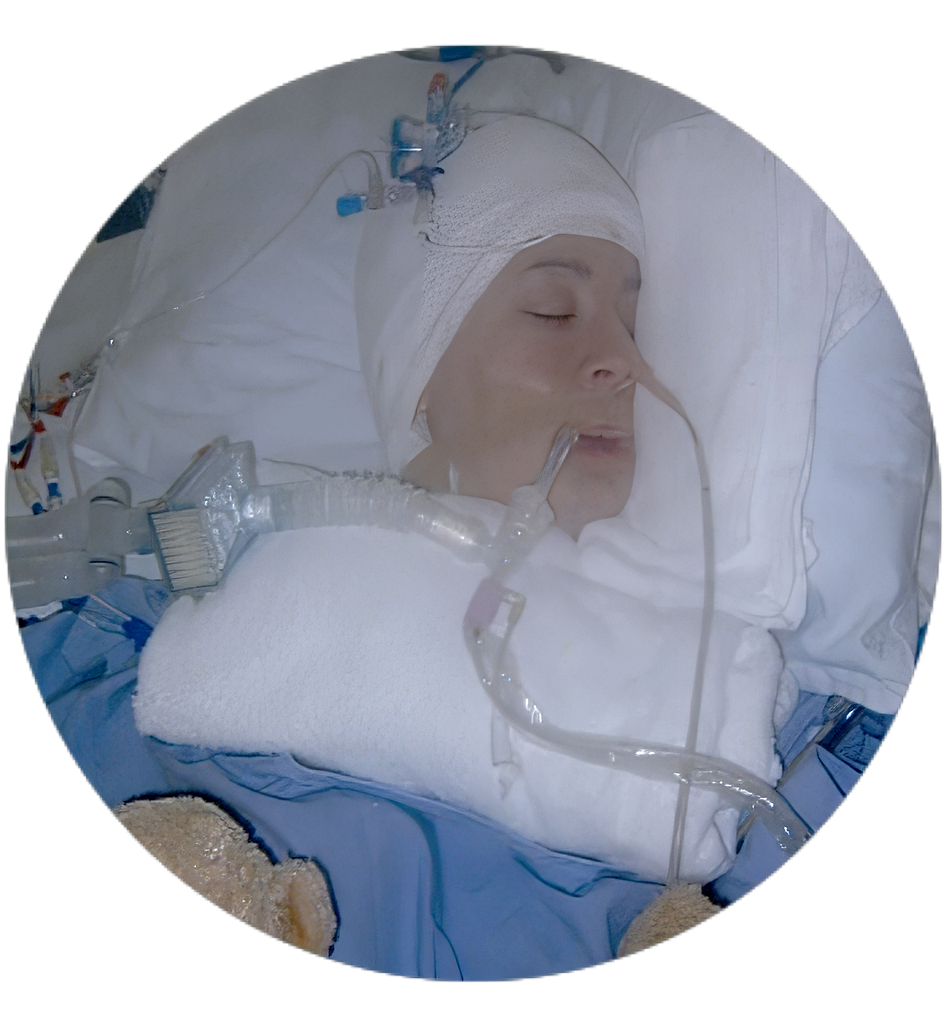
 At just 24 years old, I experienced a catastrophic haemorrhagic stroke caused by a complication following surgery to remove a congenital malformation. There were no warning signs to recognise which meant there was no opportunity for someone to spot the symptoms and call for help sooner.
For me there was to preventative measures and so during National Stroke Week each year, and all through the year with sharing my story to other, I do everything in my power to help prevent someone else’s story becoming similar to mine.
This year, National Stroke Week runs 3rd – 9th August with the theme “When stroke strikes, be a F.A.S.T. Hero” 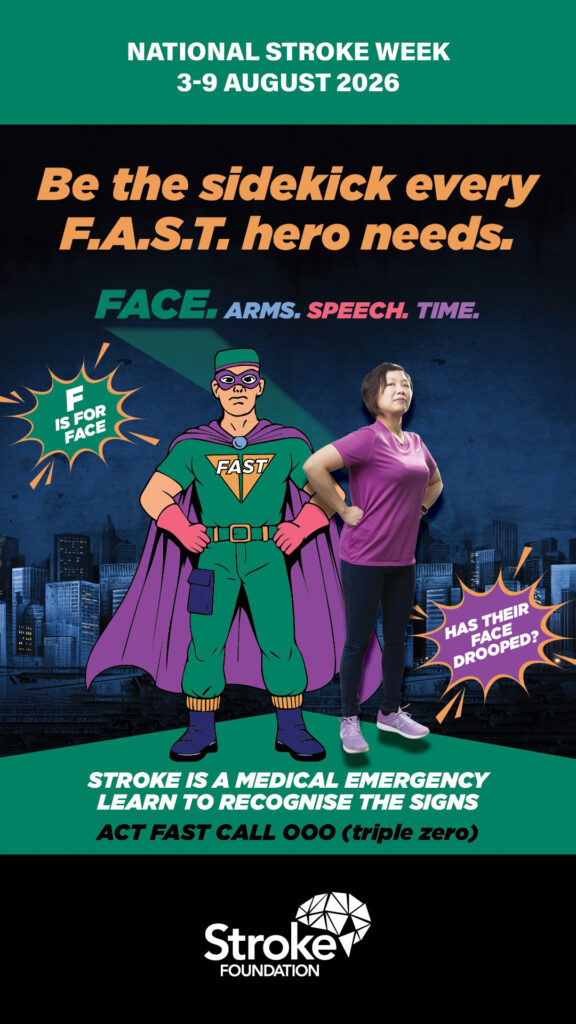
Unlike what many people believe, strokes don’t just happen to “older people” or those with obvious risk factors. It can happen to anyone at any age. And when it does, every minute matters.
Knowing the signs could mean the difference between life and death, or between walking out of hospital and living with lifelong disability.
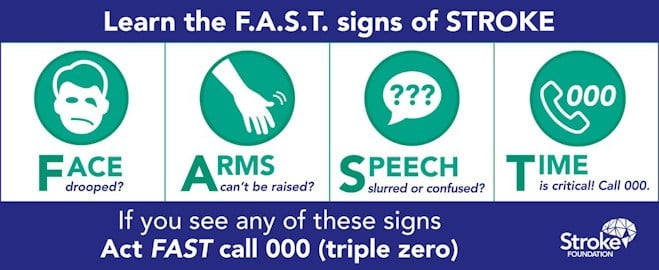
F.A.S.T. is simple to remember:
- Face – Has one side of the face drooped?
- Arms – Can they lift both arms?
- Speech – Is their speech slurred or difficult to understand?
- Time – Call emergency services immediately.
It takes less than a minute to learn, but it could save a person from a very different life.
Twenty-one years after my stroke, I continue to live with its consequences every single day. I navigate vision loss, facial palsy, chronic pain, fatigue, balance challenges, and mobility limitations. Every day requires planning, adaptation and resilience. While I have rebuilt a meaningful life, stroke didn’t end when I left hospital. It became part of my everyday reality.
That is why awareness matters.
If sharing my story means just one person is able to recognise the signs of stroke or share the F.A.S.T. message with their family and friends, then reliving some of the hardest moments of my life is worth it.
We often celebrate survivors for their resilience, and I’m grateful for the opportunities I’ve had to rebuild my life. But if I’m honest, my greatest hope is that fewer people ever need to become stroke survivors in the first place.
This National Stroke Week, I encourage you to become a F.A.S.T. hero.
Learn the signs. Share them with your loved ones. Talk about stroke. You never know whose life you might save.
Because while I couldn’t change my own story, together we might change someone else’s.
Tto find out more, visit the stroke foundation’s website here!
“Stroke changed my life forever. While mine couldn’t have been prevented, recognising the signs early can save lives and reduce disability. Please learn F.A.S.T.”