
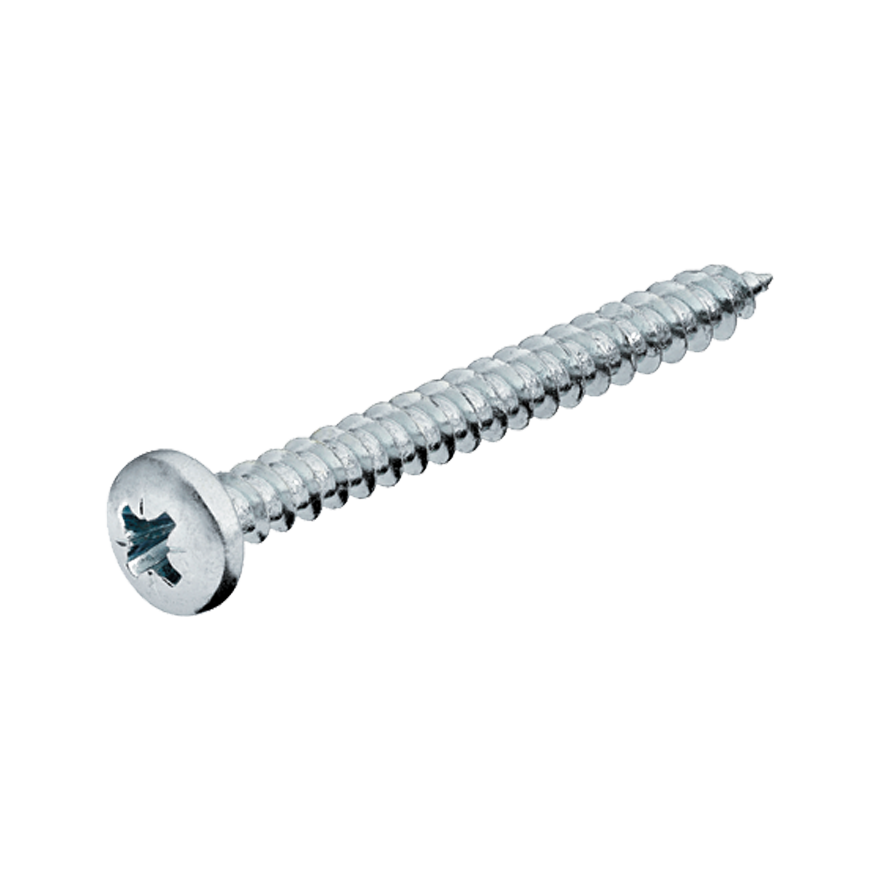
 I recently had a consultation with my surgeon regarding a painful screw from my craniotomy surgery 21 years ago. The screw that now feels like it is once again making its way through my skin and causing some discomfort. Yep, I literally have a screw loose!!
About nine years ago, I had a very similar experience. One of the screws literally came out of my head and became infected. At the time, I remember thinking that having the loose screw removed would simply be an inconvenient but necessary surgery. I genuinely assumed that while they were in there, they would also remove any other foreign objects or screws that might create problems in the future. But I learnt that they don’t necessarily remove things that aren’t causing problems at that moment.
Now, years later, I find myself feeling as though history is repeating itself.
I want to be clear though, I am incredibly grateful for innovation and modern medicine. To think that surgeons were able to perform something as remarkable as a craniotomy and rebuild what needed rebuilding is extraordinary. I wouldn’t be here without that innovation. But I also think there is another side of innovation that often doesn’t receive enough attention: the lived experience that comes long after the operation itself.
When my surgeon spoke about this procedure being relatively straightforward and relatively painless, I understood where he was coming from. Clinically, it probably is. But my experience is not clinical, my experience is holistic.
I write in my book:
Even eight years later, I needed more head surgery. The metal screw from the plate used in my craniotomy had rubbed on the arm of my glasses and become infected, needing to be removed. I was unable to wear glasses for months while it healed….
Reinventing Emma, page 228
For me, this decision isn’t simply, “Do I have surgery or not?” It means looking at everything surrounding it. Things like cost, impact on my work, support I’ll need during and afterwards, activities and therapies I won’t be able to do and recovery time before I can get back to them.
Last time, I couldn’t wear glasses for quite some time afterwards, which significantly affected my ability to undertake everyday tasks. I couldn’t swim either, and swimming is not just exercise for me; it’s one of the ways I manage my pain and maintain my wellbeing.
So when a procedure is described as “minor,” I find myself thinking that perhaps there is no such thing as a minor procedure for the person living through it. Because while the surgery itself might be relatively small, the ripple effects can be enormous.
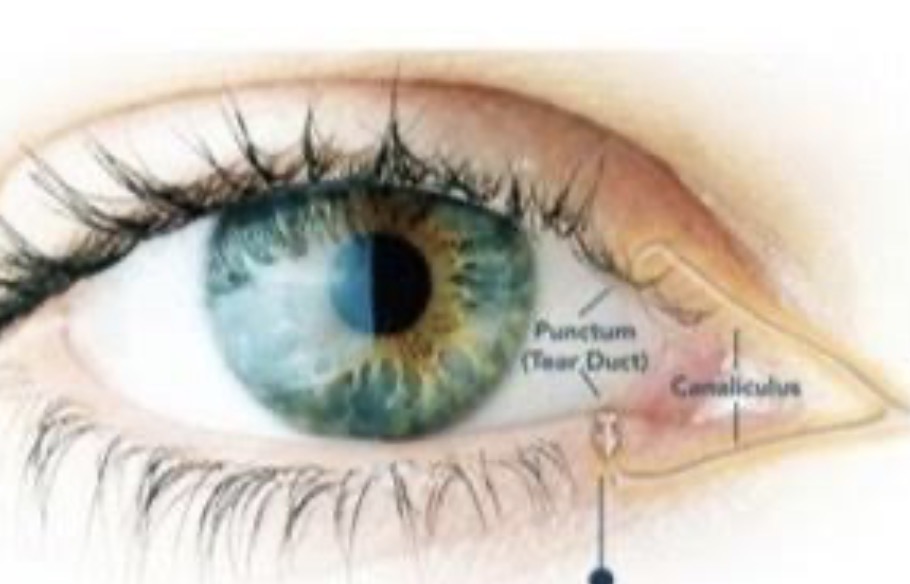 At the same time, I have found myself dealing with another reminder of how even tiny interventions can have massive impacts.
Around ten years ago, I had a small tear duct plug inserted into my right eye to help retain moisture and prevent my eye from drying out. Over the years, that tiny grain-sized plug has quietly done its job in the background of my life.
Now it has fallen out and needs replacing and I find myself needing to revisit the process I’ve already been through. Thinking, again, about cost and impact.
I think sometimes we become so fascinated by innovation because it gives us hope. It gives us treatments that previous generations never had access to and it saves lives.
But innovation also needs sustainability. Many treatments, devices, procedures and products don’t simply happen once and disappear into the background forever. Sometimes they require lifelong care or repeated procedures. And this all carries a cost outside of the hospital.
Recently, while I was trying to work out what to do about this surgery, my sister messaged me:
“Are you sure you don’t need the screw Em? Doesn’t it hold your head together?”
I laughed initially, but then I realised that I don’t actually know. I think I’ve anxiously pondered about that question ever since! I can’t ask the surgeon now as the consult has been and gone and I wont see him again until the procedure! So Im just trusting his judgment, assuming the screw isn’t needed!
Perhaps there is a perfectly sound clinical reasoning behind leaving it in place all those years ago. But that reasoning had not necessarily been conveyed to me in a way that helped me understand and participate fully in the decision.
And that has become one of the biggest reflections for me; When we think about innovation, we also need to think about the person who is living with that innovation. We need to think about it’s sustainability, expense, replacement, impact and emotional burden on the person. This can mean more inclusion and informed decisions can be made.
Treatment isn’t only about repairing bodies, it’s about understanding lives.
And sometimes the biggest impacts come from the smallest things like a tiny tear duct plug, a screw hidden beneath the skin, or a conversation that finally helps someone feel informed enough to make the best decision for themselves with every aspect considered.