
I’m trying to make space to sit with discomfort.
Some days it feels like I’m walking on glass; carefully, deliberately and aware that every step carries risk. I thought I’d adapted to this kind of pain. I really did. Ongoing nerve pain has been part of my world for long enough that I believed I understood it, what triggered it, how to manage it and where my limits are.
And then, I injured my foot. I had bursitis in my left big toe.
What seemed straightforward has set off something entirely different. I had scans, doctors visits, a moon boot to wear along with rest and medication. When all the visible markers of the injury were gone after some time, it appeared that I had recovered. What what remained was the invisible reality of the aftermath.
The nerve pain showed up in a different part of my body, louder and more insistent, as if my nervous system had learned a new language of distress. About three weeks in, when I realised that “rest and medication” were actually making things worse, something in me clicked. I knew this pain couldn’t be managed passively and I couldn’t wait it out. I had to take control over my own recovery.
At the moment, I’m deliberately setting time aside in my day to simply be with this. This looks like sitting, without trying to numb anything and just allowing sensation to exist. It’s exposure therapy which is a tool I used as a new stroke survivor. Meeting discomfort with presence instead of resistance.
I’ll be honest: initially, I let the bursitis stop me. I retreated and stopped doing what I love like connecting with others and my body through yoga. I told myself it was temporary to protect myself but in pulling back, I made my other deficits harder to manage. The isolation crept in and the nerve pain become louder.
It turns out that avoidance didn’t protect me at all. It shrank me.
So now I’m showing up to yoga every chance I get. I roll my mat out at the back of the studio and adapt my practice. My practice isn’t the same as it used to me but what’s important is that I am showing up.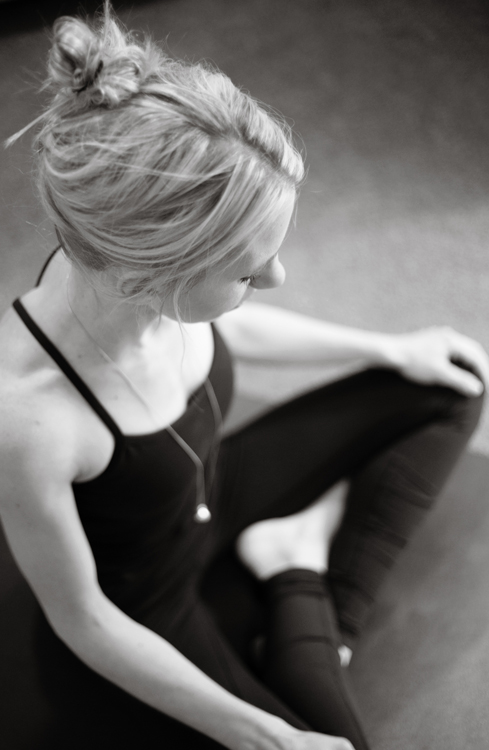
And in that, I’m hope that the pain will lessen.
More than that, the space to simply connect with my community is deeply healing. Being in a room where I don’t have to explain myself, where breath, movement, and shared presence soften the edges of pain. In the yoga studio my body is allowed to be exactly as it is, without judgement.
People can’t see nerve pain. They can’t see the effort it takes to stay regulated and not panic when your body sends signals that feel threatening. They don’t see the internal negotiations and recalibration required just to get through an ordinary day of movement.
And because they can’t see it, it’s hard for them to understand how to support it.
Still, I’m here. I’m doing the work again. I’m reminding myself that adaptation isn’t a finish line; it’s an ongoing practice. That setbacks don’t erase progress. That my nervous system is trying to protect me, even when it feels like betrayal.
So for now, I sit with the glass beneath my feet, carefully mindful and trusting that presence is what will carry me through again.
How do you consider someone’s invisible pain when supporting them? What do you think you can’t see?