
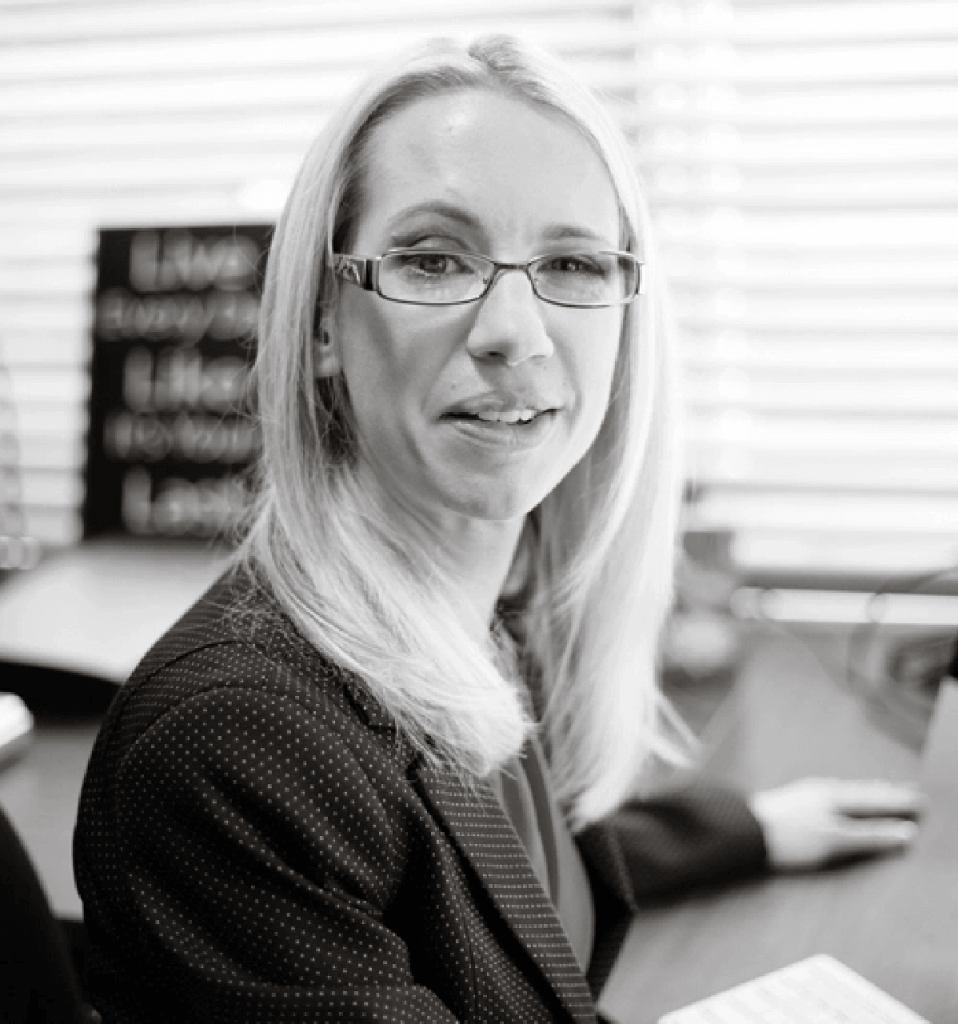
People often assume that having lived through a stroke makes me naturally equipped to facilitate conversations about recovery and rehabilitation.
In many ways, it does. I understand the grief, the frustration, the invisible effort and the small victories that don’t always register as progress.
What’s less visible is the balancing act beneath the surface; navigating my own ongoing challenges while creating space for others to share theirs.
Recently, I’ve been facilitating focus groups on stroke rehabilitation priorities. It’s meaningful work. It asks for presence, attentiveness and neutrality; qualities that are sometimes hard to uphold when my own brain throws up daily hurdles.
When I walk into the room, I feel two identities pressing up against each other with me. One, Emma, the facilitator who is calm, structured and focused.
The other, Emma, the stroke survivor. I live with fatigue, sensory overwhelm, memory gaps and processing quirks. This Emma needs to step aside whist I run these sessions though.
Trying to keep profession in these environments is difficult. No matter how prepared I am, some days it’s not enough. Part of me wants to shield the participants from seeing the “real” me and how hard I still work to function.
Before each group, I spend time arranging my environment. This means positioning myself away from distracting backgrounds, set up my notes to reduce cognitive load, adjust lighting, declutter my screen and simplify questions. 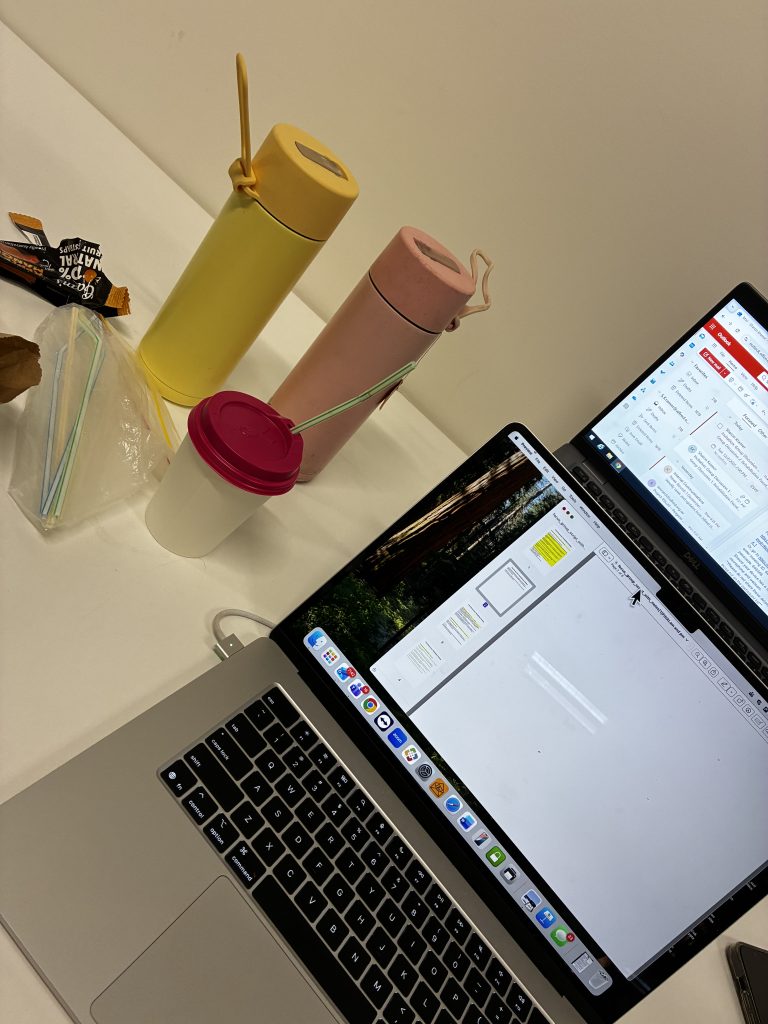
These small adjustments are survival tools for me. The keep me away from feeling overwhelmed in these spaces when there’s so much going on for me already.
Another hurdle is being able to park my lived experience quietly on the side so that the participants voices can take centre stage. I hear their own experiences and sometimes jolt at the recognition I have for my own life.
But facilitation is not about me being understood, it’s about me understanding them. I let their experiences shape the conversation.
Afterwards, when the room is empty and I pack up, I also pack up my whatever feelings I set aside and take them home with me.
Despite the discomfort, or perhaps because of it, this work feels so vital. Stroke survivors deserve rehabilitations systems shaped by their stories, experiences and priorities. If my own lived experience helps create a space where others feel heard and safe, then all the effort is worth it.
I’m also learning somethings that I didn’t expect; that recognising and honouring my own needs isn’t selfish, it’s essential. When I tell myself in my discomfort that I can “deal with it later”, they don’t quietly wait their turn. They creep into the work, into my focus and how I can show up to others. In ignoring my own needs, I unintentionally shape others experiences that I’m trying to make fair, open and supportive.
When really, what I know now is that supporting others starts with supporting myself.
What do you do in your work, your relationships, your caregiving or your leadership to make someone else’s contribution easier? And what might change if we acknowledged our own needs before they spill over and impact others?